
Choose your first AI employee from a repeated, costly, measurable bottleneck—not the flashiest demo. Start with one task and a clear human approval gate.
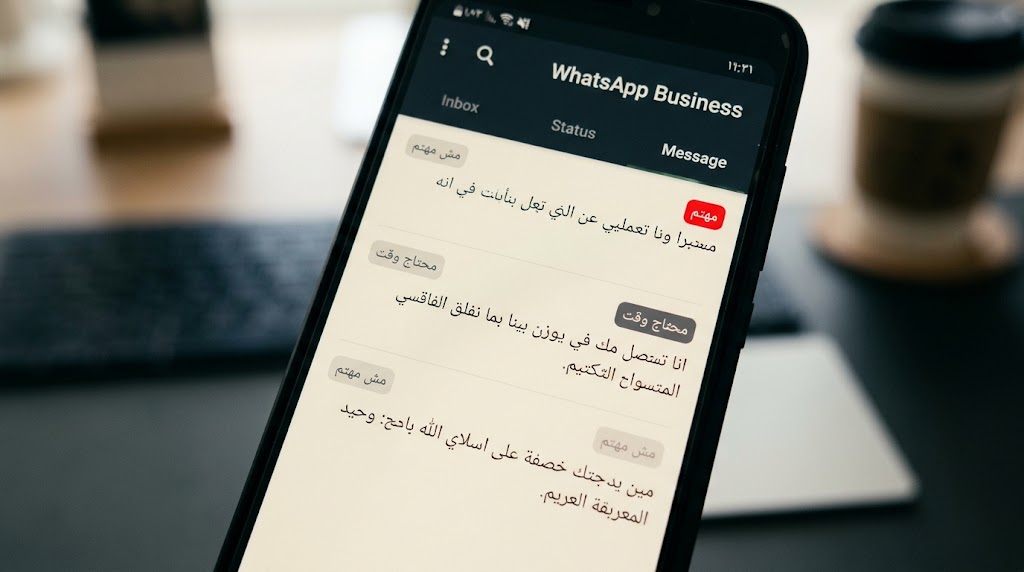
In a restaurant case already published on our site, the bottleneck was visible: WhatsApp messages arrived and bookings were lost when replies were late. We did not begin with a strategic agent producing reports. We began with repeated questions and booking, connecting replies to the scheduling flow.
The lesson is not that every business needs a WhatsApp employee. It is that the first employee came from an observable loss and a measurable workflow.
What is the best first AI employee?
Choose repeated work with clear inputs, outputs, and measurable impact. It may support replies, research, content, follow-up, or data cleanup. The role follows the bottleneck, not the latest tool demo.
How do you find the right bottleneck?
- Which task repeats every week?
- What happens when it is delayed or done badly?
- Can you define good and bad output?
- Can the system stop at exceptions and ask for approval?
If it does not repeat, a template may be enough. If you cannot evaluate the output, you are not ready to delegate it.
What are useful first roles?
- Restaurant or clinic: triage common questions and prepare booking.
- B2B service: research an account and prepare a call brief.
- Store: classify messages or update descriptions within rules.
- Idea-stage founder: collect context and identify the next assumption.
- Existing business: clean CRM records or prepare invoice follow-up.
What should be ready before building?
Prepare the company brief, data source, acceptable-output definition, prohibited cases, and approval owner. Do not grant send, payment, or deletion permissions in the first test.
How do you measure it?
Use task-level measures: correction rate, review time, classification accuracy, or exception handling. Test on a small volume and review every output before reducing oversight.
What is the common mistake?
Building several employees before the first one works. Start with one, connect it to company context, test it, and only add a second for a different bottleneck.
Founders OS starts from diagnosis and the first employee—not a list of names. You can also begin with the free diagnosis.
Related: the WhatsApp AI employee case and AI CRM cleanup.
Frequently asked questions
Which AI employee should I build first?
The one solving a repeated, painful, measurable, and reviewable task in your current business.
Is a WhatsApp AI employee right for every business?
No. It fits businesses with repeated WhatsApp questions or bookings and must escalate sensitive cases.
How do I test safely?
Use a small data set, no sensitive permissions, review every output, and add stopping and approval rules.
When should I build the second employee?
After the first role is stable and understood, and a different bottleneck justifies another workflow.
From reading to execution
Diagnosis employee · one of 19 employeesChoose the first employee from the real bottleneck.
It checks stage, repetition, cost, and measurability, then recommends the first role worth building and its limits.
The article explained the problem. Founders OS gives you the employee and files to apply the solution to your business.
Get it — $29 One payment · 58 files · instant delivery · you own the files · requires Claude